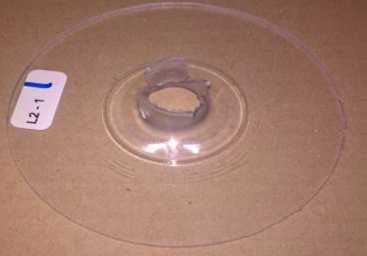
Why ViewTec’s protective display coatings are essential for long-lasting performance

Why ViewTec’s protective display coatings are essential for long-lasting performance

In a world where digital displays are everywhere — from EV charging stations to medical and industrial devices — protecting these sensitive components is critical. Without the right coating, environmental factors like moisture, dust, UV rays, and chemicals can degrade the performance, readability, and lifespan of your screens.

At ViewTec, we deliver high-performance coatings that protect your displays while preserving optical clarity and functionality. Discover why protective display coatings matter and how ViewTec sets the standard.

The importance of scratch-resistant coatings for electronic displays

Electronic displays are often the primary point of user interaction. They must remain clear, intuitive, and functional even in demanding environments. Think of EV chargers exposed to sun and rain, or breathalyzers used in industrial settings. Without protection, scratches, fog, and discoloration can diminish both usability and appearance.

At ViewTec, we apply carefully engineered protective coatings that offer:

  • Weather & UV Resistance
    Shields against UV, rain, dust, cleaning agents, lotions, and more
  • Scratch Resistance & Durability
    Retains surface integrity and gloss after extensive cleaning
    High Optical Clarity
    Maintains readability and brightness over time
  • Extended Lifespan of Electronic Displays

Case study: Durable coatings for EV charging station display covers

EV charging stations often operate in outdoor public environments, where durability and clarity are crucial. The displays must resist temperature changes, vandalism, and daily wear without compromising visual quality.

In our cleanroom, ViewTec applies precision coatings to injection-molded plastic display covers. The result: robust protection and a sleek, modern appearance that lasts.

Advanced display coating solutions for injection-molded parts

ViewTec’s coating expertise goes beyond displays. We apply protective and aesthetic coatings to various injection-molded parts whether functional, visible, or wear-prone zones. A good example is our cover for breathalyser. Our coatings enhance:

  • Mechanical durability
  • Visual appeal
  • Resistance to wear, chemicals, or sunlight

From technical components to high-end design finishes, we tailor every coating to your product’s needs.

Display coatings for harsh environments and specialized applications

We offer custom display coating solutions for various industries, including:

  • Breathalyzer Devices
    Chemically resistant coatings for intensive use
  • Automotive Interiors
    UV-stable coatings for dashboards and infotainment systems
  • Industrial Measuring Equipment
    Moisture- and dust-resistant coatings for display reliability in harsh conditions

Every application gets a coating process tailored to its environment and operational demands.

Cleanroom coating application for maximum display quality

All coatings at ViewTec are applied in cleanroom conditions, eliminating dust and contamination. This guarantees:

  • Consistent finish quality
  • Optical precision
  • Long-lasting performance

Cleanroom control ensures that your products not only look premium but also outperform over time.

Conclusion: Durable and clear screen protection with ViewTec coatings

At ViewTec, we bring together coating technology, precision processes, and decades of experience to deliver protective display solutions that stand the test of time. Whether in mobility, safety, or industrial sectors, our coatings enhance clarity, increase durability, and ensure your displays remain as reliable as the technology behind them.

ViewTec: High-Performance coatings for clear, protected displays.

Top-level coating expertise: how Viewtec excels in quality and craftsmanship

Top-level coating expertise: how Viewtec excels in quality and craftsmanship

In the world of plastics processing and high-quality coatings, quality is no coincidence. It is the result of craftsmanship, technical know-how, and continuous optimization. At Viewtec, we combine all these factors to guarantee our customers an exceptional end product. From raw material to final result: our entire coating capacity is built on in-depth expertise, innovative engineering, and a quality-driven team.

An in-house developed coating line, designed for precision and efficiency

One of our greatest assets is that we have designed, built, and maintained our entire coating line in-house. Thanks to the expertise of our own engineer – specialized in building and optimizing production facilities. This line is not only state-of-the-art, but also extremely flexible.

Every adjustment or expansion is carried out with care and technical substantiation, allowing us to quickly respond to new market demands or specific customer needs. The result is a coating process perfectly tailored to plastic applications and controlled down to the smallest detail.

Expertise that goes deeper: our Technical Application Manager

Our Technical Application Manager brings years of experience in the world of plastics and coatings to Viewtec. He is responsible for the development of our own coatings and monitors their quality and performance. Thanks to his in-depth material knowledge and hands-on approach, we are able to develop customized coatings from scratch-resistant to anti-fog and chemically resistant.

Thanks to continuous optimization and innovation, we repeatedly bring more high-performing and durable solutions to market. This way, customers benefit from the latest technologies without compromising reliability or delivery performance.

Craftsmanship on the floor: trained operators with an eye for detail

Our coating line is operated daily by a team of in-house trained operators who know exactly how the material should be treated for the best end result. They understand the behavior of the coatings, know the optimal processing conditions, and know how to prevent or correct quality deviations.

They are also trained to inspect the base material whether it is supplied by the customer or an external supplier. This ensures that only sheets without defects or irregularities proceed to the coating phase. This attention to detail translates into a final product with a consistent, high-quality finish.

Why customers choose Viewtec

At Viewtec, we go beyond standard solutions. We not only build our own coating installations, but also develop our own coatings and train our people ourselves. All to guarantee the highest quality in plastic panels and components.

Our customers choose us because we:

  • have full control over the coating process
  • possess in-house knowledge of both materials and chemistry
  • can provide customized solutions in coatings and applications
  • have a reliable, quality-driven team
  • work together transparently and flexibly

Whether you are active in the medical sector, chemical industry, food, or industrial applications: we think along with you and deliver coated plastic components that perfectly match your needs.

Want to know more?

Would you like to learn more about our coating capabilities or are you looking for a specific solution? Contact our team. We’re happy to help.Also check out our offer at:
www.viewtec.be

Protection and durability: the role of coatings in refrigeration doors

Supermarket refrigeration doors endure thousands of openings and frequent cleaning cycles every day. This heavy use can lead to scratches, dull surfaces, and reduced transparency over time. Without proper surface protection, plastic doors can quickly lose their clarity and aesthetic appeal.

Naturally as the doors are frequently used, accidental impacts occur, which can cause damage to the material. In addition, these doors are frequently cleaned, and without surface treatments, this often results in a dull and damaged surface.

The use of our ViewTec coatings provides strong surface protection, ensuring long-lasting clarity. The photos below show the effect of a coating — in this case, our ViewTec AGR — on the wear resistance of plastics compared to glass.

Why coatings are essential for plastic refrigeration doors

✔ Scratch Resistance
Plastics are naturally more prone to scratches than glass. Our coatings create a protective hard layer, ensuring that doors remain clear and undamaged even with heavy daily use.

✔ Easier to Clean
Refrigeration doors are regularly cleaned with detergents that can degrade the surface over time. A high-performance coating makes the surface resistant to cleaning chemicals and dirt, keeping doors in pristine condition for longer.

✔ Long-Lasting Clarity and Aesthetic Appeal
A dull or damaged surface not only affects the look of the refrigeration unit but also reduces product visibility. With the right coatings, plastic doors maintain their clarity, ensuring an optimal shopping experience.

Proven performance in real-world applications

For over 10 years, our coatings have been successfully applied to plastic doors in supermarkets worldwide. This long-standing experience proves that coated plastic doors are a reliable and sustainable solution for refrigeration applications.

Do you have questions about the best coating for your application? We are happy to assist you!

ViewTec AGR: Validation for ballistic laminates

Banner blogs zweko viewtec 1

Over the past months, we have been rigorously validating our ViewTec AGR abrasion-resistant coating for use as a spall shield in ballistic glazing. In this blog, we share the process, the results, and the key advantages of our latest innovation.

What is Ballistic Glazing?

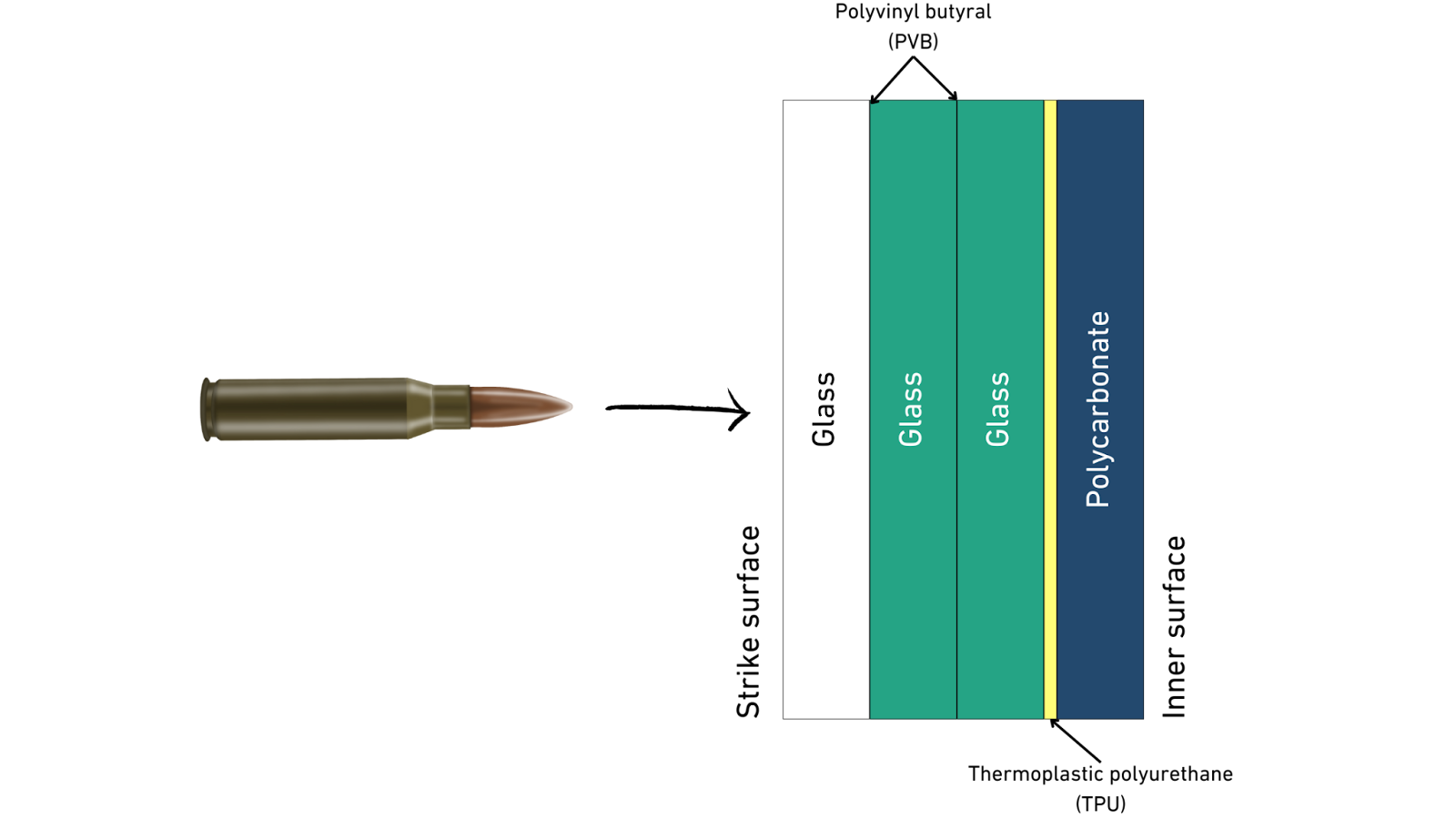
Ballistic glazing is a multi-layered transparent laminate designed to stop bullets and protect occupants or valuables behind it. These laminates are constructed by combining glass and polycarbonate layers, bonded with specialized interlayers like Polyvinyl Butyral (PVB) for glass-to-glass adhesion or Thermoplastic Polyurethane (TPU) for glass-to-polycarbonate.

The composition of ballistic glazing works as follows:

Source: Adapted from Merill, Thomas and Pogue, 2014 p.3

  1. The glass layer: When a bullet strikes, the glass deforms the projectile and disperses its energy over a wider area.
  2. The polycarbonate layer: Positioned behind the glass, the polycarbonate absorbs the residual energy while containing any glass or bullet fragments to prevent them from entering the protected space.

These laminates are extensively used in vehicles (military, police, or armored cars), building windows, counters, and similar protective applications.

Why Coating Matters in Ballistic Glazing

While polycarbonate provides excellent impact resistance, it is susceptible to scratches and chemical damage over time, especially in demanding applications. To ensure a longer useful life and reliable performance, the polycarbonate surface requires a high-performance coating.

A suitable coating must:

  • Be highly abrasion-resistant to extend the lifespan of the laminate.
  • Maintain impact resistance and avoid affecting the polycarbonate’s energy absorption properties.
  • Be chemically resistant to prevent whitening from cleaning agents and environmental exposure.
  • Offer flexibility to accommodate the inherent strain introduced during the lamination process.

For years, we have been supplying our ViewTec AIRF coating for this application. Recently, we validated our next-generation coating—ViewTec AGR—which offers improved hardness, abrasion resistance, and chemical durability.

Validation Process: Rigorous Testing and Excellent Results

To confirm the performance of ViewTec AGR, we subjected the coating and polycarbonate laminates to extensive testing. Below are the key tests and outcomes:

1. Energy Absorption Testing

We performed notched impact, dart impact, and tensile testing to assess the coating’s effect on the polycarbonate’s ability to absorb impact energy.

A projectile test was conducted, where a 2.5 kg projectile was launched at a 12mm coated polycarbonate sheet at a speed of 230 km/h.

Results: The coated sheet effectively absorbed the impact, with no loss of energy absorption properties.

2. Flexibility and Fiber Strain Testing

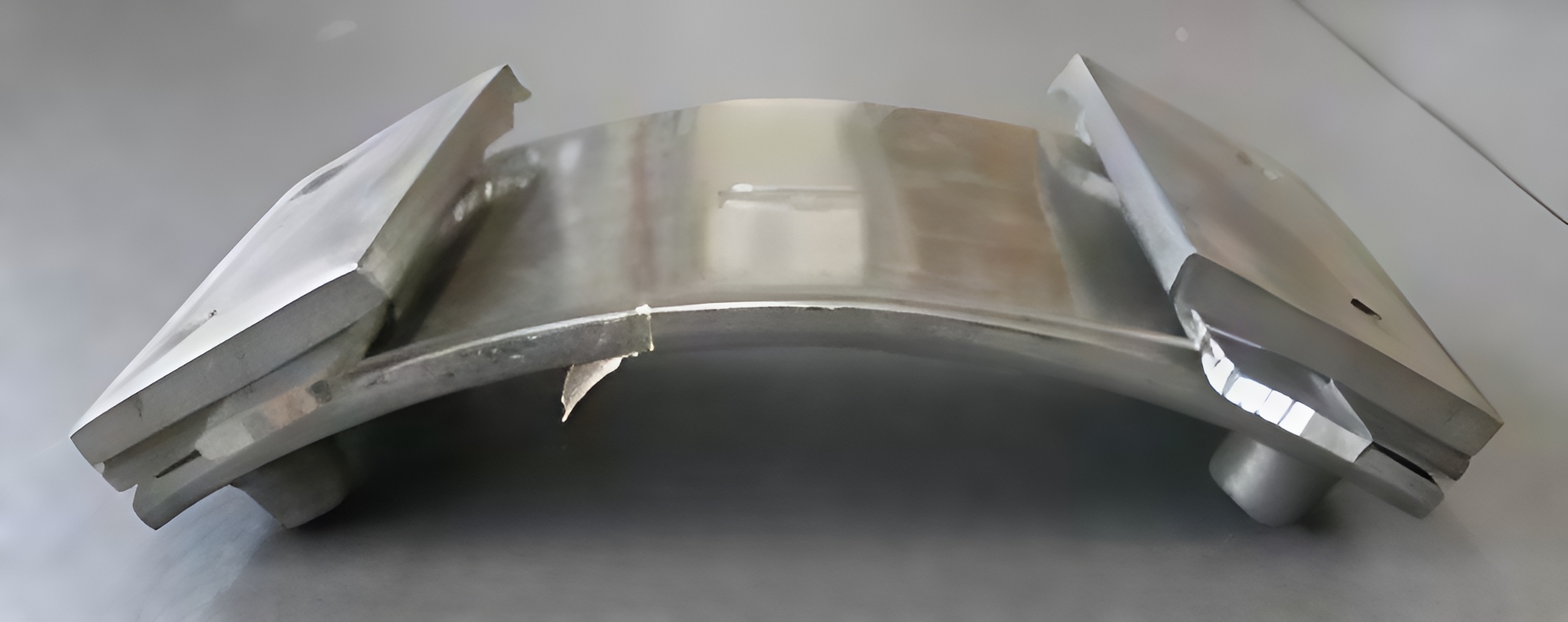
To determine how much strain the coating can endure without damage, we used custom-designed jigs to bend samples to a fiber strain of 0.3% to 1%.

By applying acetone—known for attacking bare polycarbonate—we checked for cracks or coating failure.

Thumbnail image002 6smv1hc4k transformed

Results: ViewTec AGR withstood up to 1% fiber strain without any damage, proving its suitability for large laminates and their inherent high strain from the lamination process.

3. Abrasion and Hardness Testing

Abrasion resistance was measured using the Taber abrasion test (ASTM D1044, CS10F, 0.5 kg, 500 rotations).

  • Results: The ViewTec AGR coating achieved excellent results with Delta haze <10%.

To evaluate hardness, nano-scratch tests were performed using an Anton Paar nano-indenter.

  • Results: ViewTec AGR significantly outperformed the AS4000 coating system in hardness.

4. Ballistic Testing and Chemical Exposure

To validate real-world performance, we produced laminates designed to meet BR3 classification (able to withstand .357 Magnum rounds) together with a partner.

  • After production, laminates were heated to 80°C and exposed to gasoline to test chemical durability.
  • Results: No visual defects were observed. Laminates were then successfully shot three times, and the spall shield absorbed the energy completely while containing all glass and bullet fragments.

Key Benefits of ViewTec AGR

Based on these tests, ViewTec AGR delivers exceptional performance across all critical parameters:

  • Very high abrasion resistance for maximum durability.
  • Excellent chemical resistance to withstand cleaning agents and harsh conditions.
  • Superior flexibility to accommodate lamination strain without cracking.
  • No reduction in impact performance of the polycarbonate layer.

Why Partner with ViewTec?

With over 30 years of experience and extensive expertise in coatings, plastics, and ballistic applications, ViewTec is your ideal partner for spall shield solutions. We offer:

  • Unmatched technical expertise and R&D capabilities.
  • Short communication lines for efficient collaboration.
  • Automated production processes ensuring high efficiency and consistency.
  • Flexible planning and short lead times to meet your needs.

By choosing ViewTec AGR, you gain access to a coating solution that enhances the durability and performance of ballistic laminates, backed by a team dedicated to excellence.

ViewTec AGR sets a new standard for spall shield coatings in ballistic glazing. It combines advanced abrasion resistance, flexibility, and chemical durability without compromising the impact performance of polycarbonate. Whether for armored vehicles, protective windows, or industrial applications, ViewTec AGR ensures your laminates are ready for the toughest challenges.

Partner with ViewTec and take your ballistic protection to the next level.

Understanding thermoformable hard coatings

20

Thermoformable hard coatings have revolutionized the way industries approach surface protection and design for various plastic products. At the forefront of this innovation is ViewTec, the tradename under which Zweko Optics offers its range of specialty coating solutions. A prime example of this advanced technology is ViewTec’s thermoformable hard coatings, which enhance production efficiency while providing superior protection for plastic surfaces. This blog delves into the benefits, applications, and challenges of using thermoformable hard coatings and explains why UV-curable coating systems are preferred.

Why use thermoformable hard coatings?

Thermoformable coatings offer a unique advantage in that they allow manufacturers to produce formed parts with a scratch-resistant coating without the need to apply a coating after forming. This approach not only improves the cost-effectiveness of production but also allows for coating larger surfaces in a single step, eliminating the need for one-by-one post-coating and 3D-machining. Once coated, these sheets can be cut and thermoformed into multiple finished parts, making the production process more streamlined and efficient. 

Potential applications for thermoformable hard coatings are vast and include products such as:

  • Visors and windscreens for vehicles
  • Laminated safety glass
  • Machine covers
  • Display covers for electronic devices

Moreover, ViewTec coatings can be applied to a variety of transparent plastics, including polycarbonate (PC), polymethyl methacrylate (PMMA), polyethylene terephthalate (PET), polyphenylsulfone (PPSU), and styrene acrylonitrile (SAN).

Why choose UV-curable coatings?

While some ViewTec coatings cure under thermal exposure, such as the ViewTec FRD antifog, our focus is primarily on UV-curable coating systems. UV curing is favored due to its numerous benefits:

  • High productivity: UV-curable coatings cure rapidly, allowing for faster processing and higher production throughput.
  • Low-temperature processing: This reduces the risk of damaging heat-sensitive substrates.
  • Environmentally friendly: These coatings either reduce or eliminate volatile organic compounds (VOCs), making them a safer choice for both workers and the environment. Furthermore, energy consumption is a fraction compared to thermal coatings.
  • Enhanced scratch and chemical resistance: UV-cured coatings provide a durable protective layer that extends the lifespan of plastic products.

Challenges of UV-curable coatings in thermoforming

Despite the advantages, UV-curable coatings come with technical challenges, especially during thermoforming. A significant issue arises from the shrinkage of the coating during the UV curing process, which can cause stress between the cured coating and the substrate. This stress becomes more pronounced when the plastic part is thermoformed, as the thermoplastic material expands and increases the tension at the coating-substrate interface, potentially leading to delamination.

To address these challenges, ViewTec coatings incorporate unique chemistry that ensures formability. This involves careful selection of the binder, molecular weight, and photo initiator to achieve the desired flexibility and adhesion. A crucial aspect of the coating’s performance is the strength of the covalent bonding between the coating and the substrate. Proper adhesion is maintained even during the thermoforming process, preventing delamination and ensuring long-lasting durability.

Ensuring proper adhesion: surface energy and bonding

The success of UV-curable coatings largely depends on quantifying and understanding the surface energies of both the wet coatings and the substrates. For strong adhesion, there must be an optimal interaction between the polar and disperse surface energies of the coating and the substrate, symbolized by a “handshake” between the two. 

A case in point is the development of a new formable hard coat for PPSU sheet substrates. The coating is designed to withstand thermoforming temperatures of up to 275°C, a condition that would cause delamination if the adhesion were inadequate. The ViewTec development team was able to formulate a coating solution that performs exceptionally well on PPSU without the need for a primer, keeping the process both simple and cost-effective.

The ViewTec advantage: expertise in coatings and chemistry

At Zweko Optics, we excel in understanding the intricate chemistry and physics behind coatings and substrates. Our expertise enables us to develop tailored solutions that meet our customers’ specific needs, even under the most challenging circumstances. Whether it’s a new application or a particularly demanding production process, we are ready to take on the challenge and deliver results that exceed expectations.

If you are looking for advanced coating solutions that simplify your manufacturing process and offer outstanding performance, look no further than ViewTec. Let us put our expertise to the test and find the right coating solution for your needs.

For more information on ViewTec thermoformable hard coatings or to discuss your project, get in touch with us today. 

Energy saving in production: how we minimize our carbon footprint

16

Energy saving in production: how we minimize our carbon footprint

Energy management in production is an important focal point for our company. It is our responsibility to minimize our ecological impact while producing cost-efficiently. In this way, we guarantee optimal value for money for our customers. But how do we achieve this in practice?

Monitoring large energy consumers

We use online monitoring to monitor the energy consumption of heavy installations such as compressors, air conditioning units, ovens and our paint shop. This data analysis allows us to set up targeted energy projects. For instance, we are currently improving the control of the UV lamps in our coating plant.

In addition, this monitoring helps us detect anomalies quickly. A few months ago, for example, we discovered a defect in a compressor that led to a slumber power consumption that was three times higher than normal. Thanks to our monitoring, we were able to resolve this quickly, which prevented a potential slumber consumption of 35 MWh per year.

Scherm­afbeelding 2024 10 03 om 09.39.18
energy monitoring graph

More than 1,000 solar panels on our roof

Our production and warehouse roof is equipped with more than 1,000 solar panels. The energy generated meets a significant proportion of our total energy needs. As a result, the vast majority of our energy supply comes from renewable and nuclear sources, contributing to more sustainable production.

Advanced air-conditioning unit for the Paint Line

To ensure quality in our coating line, we have a state-of-the-art air conditioning unit. This air-conditioning unit is equipped with a heat pump, allowing us to cool and heat in a very efficient way. Moreover, the unit is equipped with a heat wheel, which allows us to use the extracted air to pre-cool or heat the intake air. This system not only increases efficiency but also significantly reduces energy consumption.

UV-curable coatings: efficiency at its best

What is unique about our approach is that we use proprietary formulated UV-curable coatings that require low curing energy. This cuts both ways: we reduce energy consumption and increase the efficiency of the curing process. Others still work with thermal systems, and thus gas-fired ovens, which is less efficient and less environmentally friendly. The cooling of our UV lamps is even used to heat the process air at cold outside temperatures, which leads to optimal energy use.

By investing in energy-efficient technologies and processes, we are making great strides in minimizing our environmental footprint. From monitoring large energy consumers to usingsolar panels and developing proprietary UV coatings, every action contributes to more sustainable and cost-efficient production. This way, we continue to offer our customers the best value for money, while treating our planet responsibly.

Want to know more about our sustainable initiatives or how we can help your business with high-quality, eco-friendly coatings? Then get in touch with us.

Transparent thermoplastic sheet materials: the best choice for your project

Transparent thermoplastic sheet materials: the best choice for your project

When it comes to glazing materials, glass is often the first choice. But did you know that transparent thermoplastic sheets offer significant advantages in many applications? Consider materials such as polycarbonate (PC), polymethyl methacrylate (PMMA), and styrene acrylonitrile (SAN). Each of these plastics has unique properties that make them suitable for different applications. In this blog, we will take you through the selection criteria for the right transparent thermoplastic sheet materials and their advantages over traditional glass.

Glass vs. thermoplastics: a comparison

Glass has very high hardness and rigidity, which makes it particularly scratch- and abrasion-resistant. It also offers excellent resistance to chemicals and is very stable for outdoor use. However, glass is heavy and brittle, making it less suitable for applications where mobility and impact resistance are important. Moreover, glass is difficult to work with; cutting, assembling and forming.

Stress/strain curves of glass and polycarbonate

Figure 1. Stress/strain curves of glass and polycarbonate

Thermoplastics

  1. Polycarbonate (PC):
    • Properties: Light, superior impact resistance, good flame resistance.
    • Applications: Safety applications such as machine glazing, vehicle glazing, and personal protective equipment.
  2. Polymethylmethacrylate (PMMA):
    • Properties: Light, moderate impact resistance, very high light transmission and gloss.
    • Applications: Signage and graphics applications.
  3. Styrene Acrylonitrile (SAN):
    • Properties: Lowest density, high stiffness, poor flame and abrasion resistance.
    • Applications: Industrial gate windows.
  4. Amorphous Polyethylene Terephthalate (APET):
    • Properties: Good impact and chemical resistance, very stable in humid environments, BPA-free.
    • Applications: Refrigerated furniture.
  5. Polyethylene Terephthalate Glycol (PETG):
    • Properties: Easy to thermoform, very stable in humid environment, BPA-free.
    • Applications: Products that are frequently cleaned and disinfected.

Selection criteria for transparent thermoplastic sheets

The main criteria for selecting the right thermoplastic are density, toughness and processing temperature. Let us take a closer look at these aspects:

1. Density: 

Glass has a higher density (2.5 g/cm³) than most thermoplastics (around 1.2 g/cm³). This means that glass is heavier, which can be a disadvantage in applications where weight plays a role, such as in aircraft cabins and vehicles.

2. Toughness: 

Thermoplastics such as polycarbonate are much tougher than glass. This means they are more resistant to impact and less likely to break. They are therefore used as burglar-resistant and even bullet-resistant glass.

3. Processing temperature:

Glass requires very high temperatures (> 500°C) to be formed, while thermoplastics can be processed at much lower temperatures, saving energy and simplifying production.

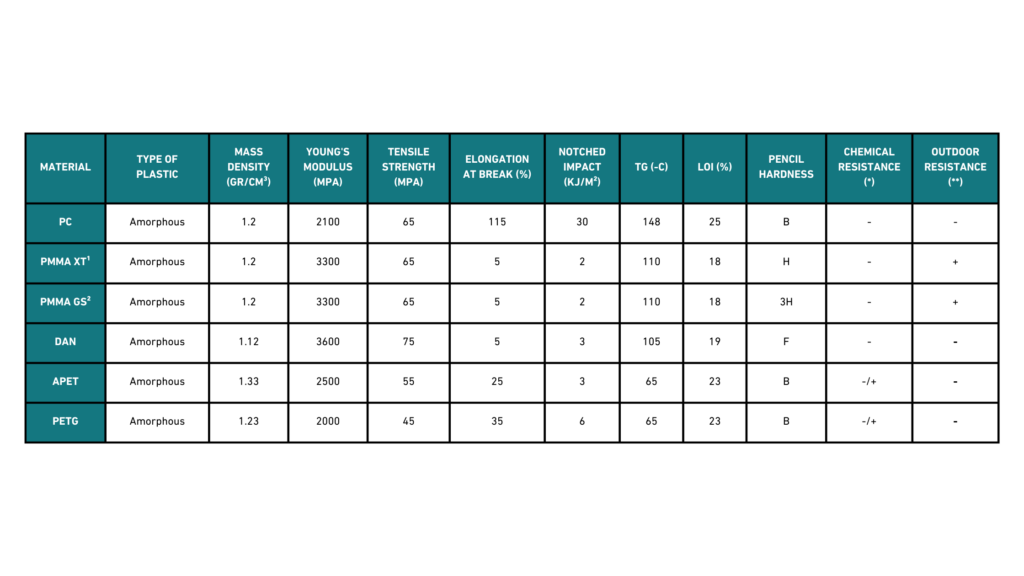
Figure 2. Values of standard transparent thermoplastic materials
Source: Vegt, van der, A. K., & Govaert, L. E. (2003). Polymers : from chain to plastic
* Chemical resistance on pure material, without coating and compared to glass on acids, alkalis and organic solvents. 
** Outdoor resistance on pure material, without coating or coextruded coatings and compared with glass
1) Extruded sheet of PMMA 
2) Cast sheet of PMMA
Young’s modulus, tensile strength and elongation at break measured according to ISO 527
Impact strength measured according to ISO 180/1A
LOI = oxygen limit index according to ASTM D2863
Pencil hardness measured according to ASTM D3363

Coatings: enhancing performance

With Viewtec, we improve the performance of thermoplastics by applying special coatings. These coatings increase the chemical resistance and abrasion resistance of the materials, making them perform even better compared to glass.

Practical applications of coated thermoplastics

  • Outdoor glazing: PMMA is ideal for outdoor use because of its high light transmission and weather resistance.
  • Safety glazing: Polycarbonate is often used in safety-critical applications because of its superior impact resistance.
  • Industrial applications:
  • APET and PETG are well suited to environments where chemical resistance and moisture resistance are crucial.

Cost considerations and environmental impact

Although glass can be cheaper per kilogram than plastics, thermoplastics often offer a more cost-effective solution. This is due to advantages in design, production, service life and recycling:

  • Design: Lighter glazing and supporting structures.
  • Production: Easier processing and lower energy costs.
  • Service life: Less frequent replacement thanks to higher impact resistance.
  • Recycling: Less energy needed for recycling, reducing environmental impact.

Conclusion

Transparent thermoplastic sheet materials offer a versatile and cost-effective alternative to glass, especially in applications where weight, impact resistance and easier processing are important. At Viewtec, we can further enhance the performance of these materials with specialized coatings, making them even more attractive for a wide range of applications.

Whether you are looking for glazing solutions for vehicles, industrial applications or outdoor use, thermoplastics such as polycarbonate, PMMA, … offer numerous advantages. By applying the right selection criteria, you can choose the material that best suits your specific needs and projects.

For more information and tailored advice, you can always contact our ViewTec experts. We will be happy to help you find the best solution for your glazing needs!

ViewTec FRD coating

ViewTec FRD Coating - Blog - Anti-condensation coating

ViewTec FRD coating

For over two decades, ViewTec has relied on the enduring efficacy of ViewTec® FRD coating across rigorous applications. Today, we are thrilled to unveil our successful integration of this formulation within our own facilities. Not only do we offer this cutting-edge coating for sale, but we also provide expert application services directly to our customers. Some of the key benefits include:

  • Outstanding antifog properties which fully comply with EN166:2001
  • Permanent anti-fog performance. The antifog does not degrade over time, even after years of service the functionality remains
  • Suited for optical applications such as goggles and visors
  • PFAS-free and REACH compliant
  • Short curing time: 5 minutes

ViewTec FRD stands as a PFAS-free solution, crafted specifically to fortify surfaces with a resilient finish. This transparent coating excels in delivering enduring anti-fog capabilities alongside robust abrasion resistance. Fully adhering to EN166:2001 standards, it distinguishes itself from conventional anti-fog coatings by operating through water absorption rather than water spreading or repellency. This unique approach ensures a lasting anti-fog performance. Moreover, ViewTec FRD surpasses stringent requirements for visors and respiratory masks, including compatibility with dishwasher-like cleaning programs commonly utilized by in example firefighter departments.

Application of the coating

The ViewTec coating is compatible with both dip and flow coating techniques. However, to ensure optimal long-term adhesion to polycarbonate and glass substrates, a primer is required. ViewTec Coatings meticulously evaluates and quantifies several primers specifically designed to foster enduring adhesion between the substrate and the top coat. Notably, these primers are waterborne, aligning with our commitment to environmentally conscious solutions.

Water repellent anti-fog mechanisms

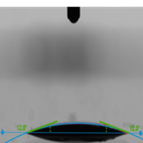
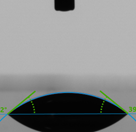
For water spreading or water repellent anti-fog mechanisms,  the water contact angle (WCA) method is an excellent analytical tool to study the dynamics of such a coating. 

In the depicted images, a distinct water droplet, resembling the shape of a droplet deposited by a needle, is observable. The left image captures the moment at t=0s when the droplet first touches the surface, while the right image, taken at t=1s, illustrates the rapid spreading of the droplet into a thin, transparent film of water, ensuring unimpeded visibility. Thus, when water vapor from exhaled air condenses on the surface, it swiftly interacts with the condensed water to maintain clarity.

The activation mechanism of these coatings varies depending on their chemical composition. Some coatings require wetting to become activated, while others react immediately upon contact with condensed water. However, a notable drawback of such coatings is their limited durability. Cleaning with polar detergents containing surfactants can significantly compromise the anti-fog functionality by causing the coating to react unfavorably, either by swelling or altering the surface chemistry. Consequently, contact with detergents poses a critical risk to the longevity of articles coated with these formulations.

Unique waterborne coating formulation

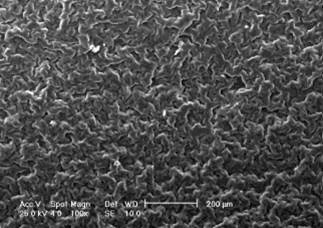
Therefore, the ViewTec FRD operates on the principle of water absorption. Through a distinctive waterborne coating formulation, it creates a robust and enduring anti-fog surface enhancement with abrasion resistance. Under magnification, the surface reveals a distinct morphology, as depicted in the microscopic image below.

Traditional water contact angle measurements are ineffective for quantifying the anti-fog mechanism on these surfaces. This is because water vapor does not condensate on the surface; instead, it is promptly absorbed by the coating’s surface. This unique mechanism renders the surface relatively inert to repeated cleaning with polar detergents containing surfactants. Unlike coatings operating on the liquid state of water, the ViewTec FRD coating functions on the gaseous state of water, enhancing its resilience to cleaning processes.

Intrigued by this unique chemistry please contact ViewTec Coatings. Your partner for coatings, coating application and coating development!

Polycarbonate as glass material

4

Polycarbonate as glass material

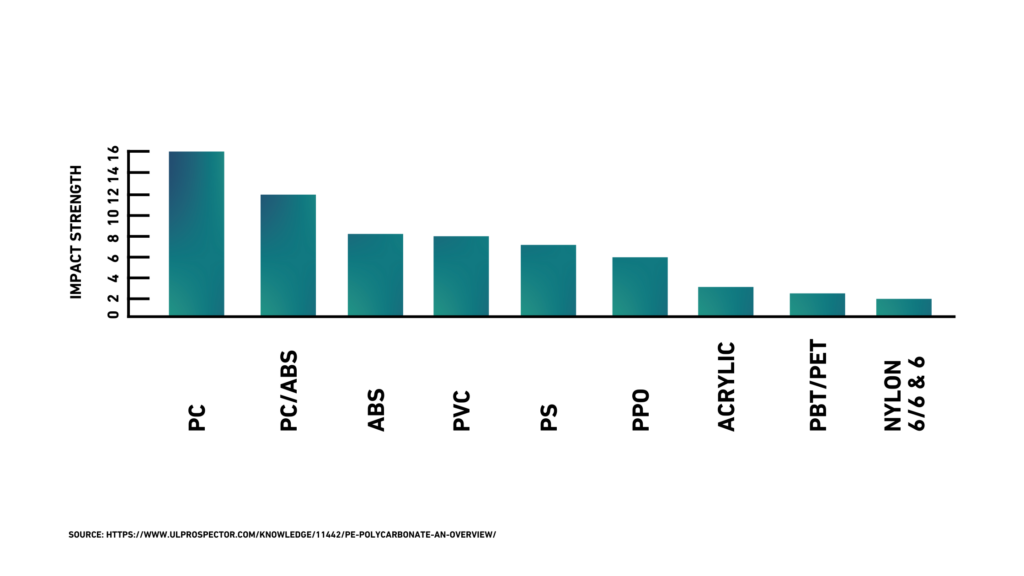
When looking for impact-resistant glazing material, Polycarbonate (PC) is often the obvious solution. This is because the impact resistance of polycarbonate is 250 times higher than that of window glass. The toughness of polycarbonate is remarkable compared to other transparent plastics, such as PMMA or SAN.

Known applications of polycarbonate

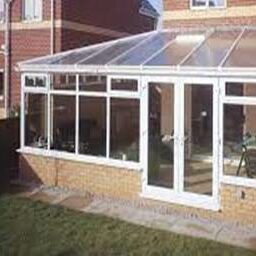
Not only the channel sheets for conservatories and stadiums are a known application of polycarbonate as a glazing material, but also bulletproof glass.

What about wear and tear on the polycarbonate?

However, polycarbonate also has some drawbacks. For outdoor use, it is not ideal and it is poorly resistant to chemicals and abrasion. However, those disadvantages can easily be addressed by applying surface enhancement, by means of coating layers that is! Coatings create abrasion resistance comparable to glass.

Problem solved, but it is still very important to choose the right coating. There are different types of coatings that can protect the polycarbonate, but to preserve the properties of the polycarbonate, it is important to weigh up this choice carefully.

Which coating do I choose for polycarbonate?

One of ViewTec’s specialities is applying UV-curable coatings to polycarbonate. These have high abrasion resistance, but also preserve the impact performance of the polycarbonate. To prove this, several tests were carried out. Surely the best results were obtained in the multiaxial impact tests at temperatures down to – 40ºC.

This is a type of impact test in which energy is transferred in a very short time (milliseconds). You can compare this, for example, to when a pebble hits the windscreen of your car, or when a burglar tries to smash the window of a shop. 

That test is defined according to the international standard ISO 6603/2. Polycarbonate is the only transparent thermoplastic material that shows no sign of embrittlement in a temperature range varying from -40ºC and 80ºC. 

Find the best coating for your polycarbonate glazing at ViewTec

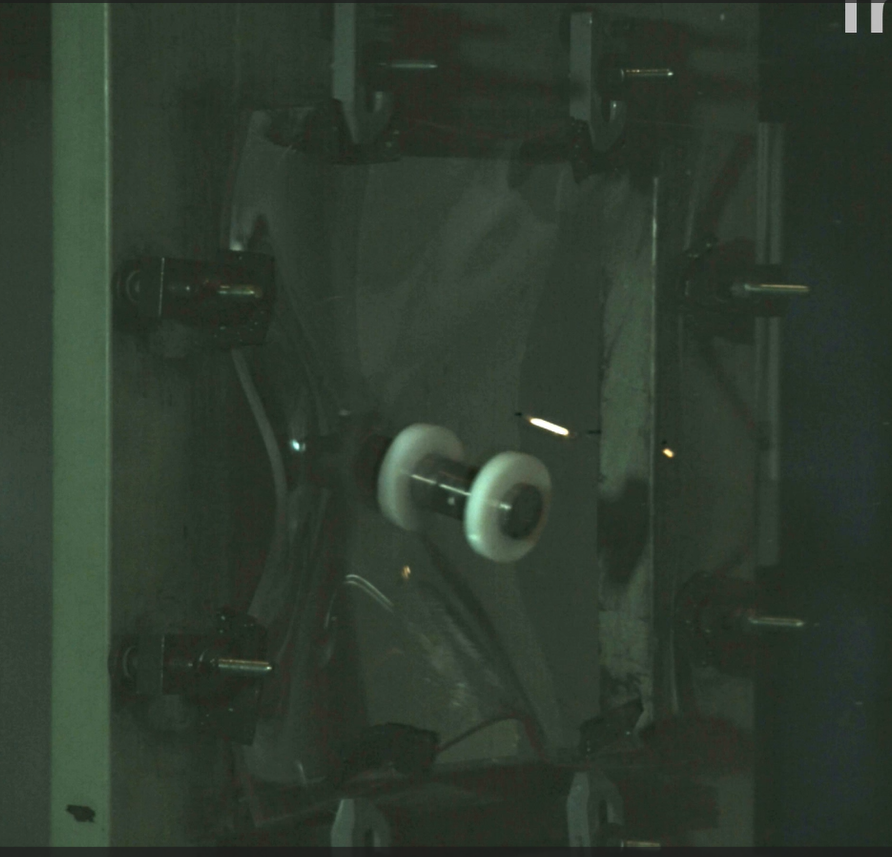
The test results alone are very impressive, but with ViewTec we decided to push our materials even further to the limit. We used a specific multi-axial impact resistance test setup, where the speed of a falling dart is kept constant during penetration. UV-curable coatings on polycarbonate would have resulted in embrittlement in this test setup, but not ViewTec’s. We are very proud of the fact that all our rigid coatings do not show any embrittlement, even in this test with very heavy impact.

To illustrate; the huge deflection of one of the samples (not ViewTec) after the multi-axial impact test performed at -40ºC.

No compromise on performance! That’s what ViewTec guarantees. Get in touch and we will be happy to help.